
What Is Non Emergency Medical Transportation (NEMT)?
Disclaimer: This article is for general educational purposes only and is not a substitute for professional medical advice, diagnosis, or treatment. Always talk with your doctor or a qualified health provider about your own health.
Non-emergency medical transportation, often shortened to NEMT, is a ride service that helps people reach health care when they have no urgent, life-threatening need. It fills a simple but important gap. Many people can get the care they need, yet they cannot easily get to the clinic, the dialysis center, or the pharmacy. A missed ride can mean a missed appointment. This guide explains what non-emergency medical transportation is, who uses it, and how these rides usually work, in plain terms.
What Non Emergency Medical Transportation Means
Non-emergency medical transportation covers planned, non-urgent trips taken for health reasons. A person may need to reach a doctor visit, a lab, a physical therapy session, or a scheduled treatment. The trip is not an emergency, so it does not call for lights and sirens. Instead, it uses cars, vans, or other vehicles set up for safe and comfortable travel.
The wider term medical transportation is broad. It can describe everything from a shared ride to a specialized van with a wheelchair ramp. NEMT is the non-urgent part of that larger picture. The focus is steady access to care, not speed.
How NEMT Differs From an Ambulance
An ambulance is built for emergencies. It carries trained crews and equipment for sudden, serious health events, and it moves quickly. Non-emergency medical transportation is different. It is for planned trips, taken when a person is stable but still needs help getting to and from care. The rider is not in crisis, so the vehicle and staff are set up for comfort and access rather than urgent treatment.
This difference matters because the two services are arranged and paid for in separate ways. Knowing which one fits a situation can save time and confusion. A good rule of thumb is simple. If a person faces a sudden, serious health event, that calls for emergency care. If a person is stable and simply needs a lift to a planned visit, non emergency medical transportation is the closer match.
Common Names You May Hear
You may see several names for these rides. Some providers call the wheelchair-accessible option an ambulette service. Others use terms like medical car, wheelchair van, or paratransit. The words can differ by state and by company, but the idea stays the same: a safe, non-urgent ride tied to health care. When you compare options, it can help to look past the label and check what the vehicle and driver actually offer.
Who Uses Non Emergency Medical Transportation
NEMT reaches people who cannot drive, do not have a car, or need extra help along the way. Some riders manage most of daily life on their own but still want a reliable way to get to appointments. Others live with conditions that make driving unsafe. The service is used across many ages and needs.
Seniors and Aging in Place
Many older adults use senior transportation services to stay independent. Nearly 90 percent of older adults choose to age in place in their own homes and communities, according to the National Aging and Disability Transportation Center. Staying at home tends to go more smoothly when medical visits stay on track, and reliable transportation for elderly riders can be the link that makes that possible. Without it, a simple checkup can turn into a hard problem to solve.
Losing the ability to drive can feel like a large life change. Steady ride options may ease that change and help a person keep up with checkups, treatments, and social visits.
People Who Use Wheelchairs
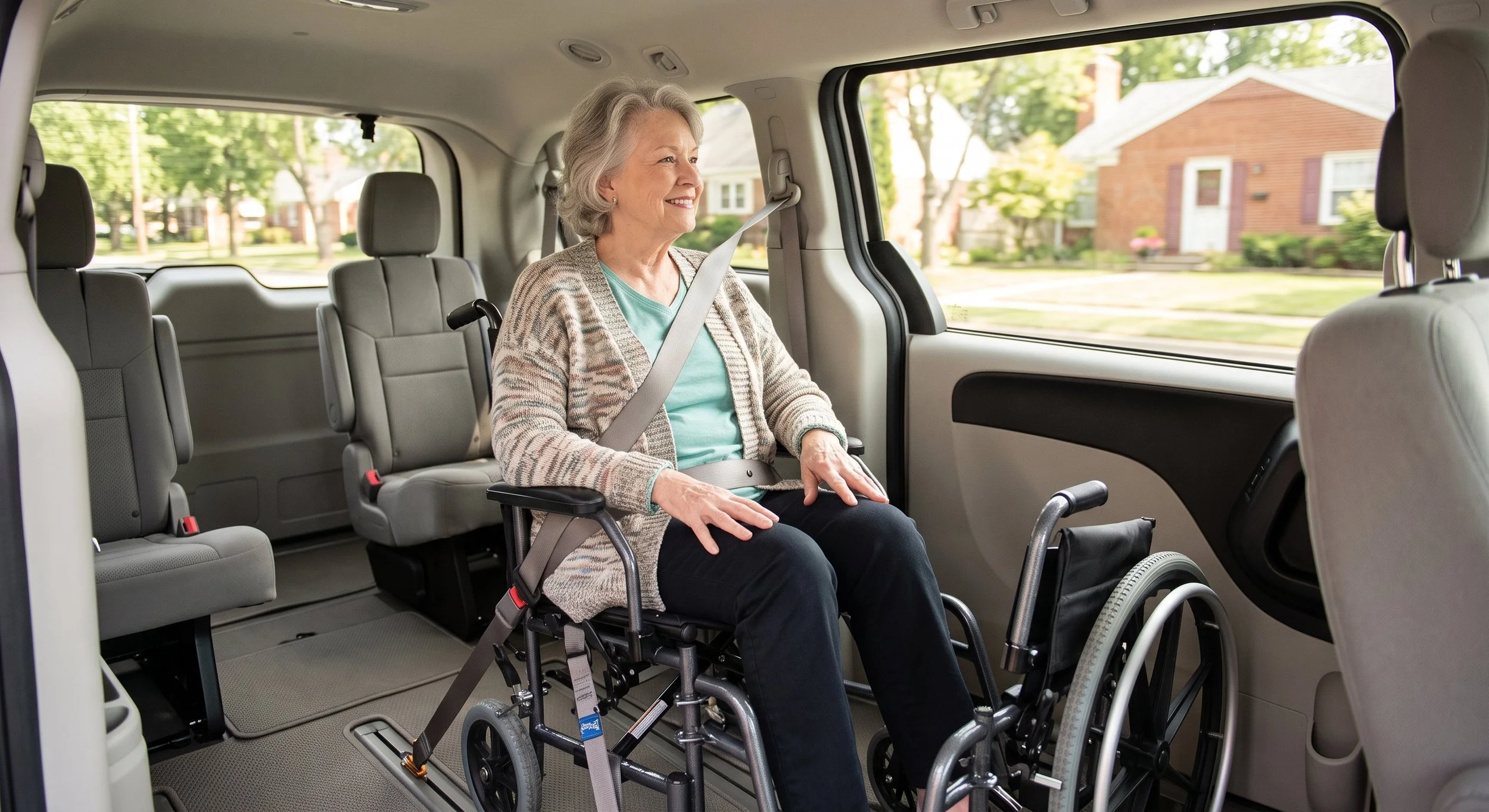
NEMT often serves riders who use wheelchairs, walkers, or scooters. Non-emergency wheelchair transportation uses vehicles with ramps or lifts so a rider can stay seated during the trip. The chair is secured in place for the ride. This setup can remove the need to transfer in and out of a standard car seat, which some riders find hard or unsafe.
Others who lean on these rides include people recovering from surgery, riders with vision or memory limits, and adults who no longer feel safe behind the wheel. Family caregivers often set up the trips and may ride along for support. Having a steady option can lift some weight off the whole household.
Trips NEMT Often Covers
NEMT is designed for trips to and from medical care for people who have no other way to get there. Common examples include:
Doctor and specialist visits
Dialysis and other repeat treatments
Physical therapy or rehab sessions
Lab tests and imaging appointments
Pharmacy pickups tied to care
A ride home after a hospital or clinic discharge
The exact list can vary by program and provider. The common thread is that each trip connects a person to health care they are already set to receive. For riders with standing appointments, such as weekly therapy or repeat lab work, a regular ride can turn a stressful task into a simple routine. That steadiness can also help caregivers plan their own week with less guesswork.
Types of Non Emergency Medical Transportation Services
NEMT services come in a few levels. The right level depends on how much help a rider needs, from a simple ride to hands-on support from the door.
Ambulatory and Curb-to-Curb Rides
Ambulatory rides are for people who can walk with little or no help. Curb-to-curb service means the driver meets the rider at the curb and drops them at the curb on the other end. This level works well for riders who are steady on their feet and do not use a wheelchair.
Wheelchair Transport and Ambulette Service
For riders who stay in a wheelchair, non-emergency wheelchair transportation uses a van with a ramp or lift. Many providers call this an ambulette service. The driver often helps guide and secure the chair, then makes sure it is locked in place before the van moves. This level suits riders who cannot easily transfer to a regular seat.
Door-to-Door and Door-Through-Door Help
Some riders need more than a ride. Assisted transportation, sometimes called door-to-door or door-through-door service, offers extra support, according to the National Aging and Disability Transportation Center. A driver or escort may help from the front door to the vehicle, or even stay with the rider through the visit. This higher level of help can matter for people with memory loss, vision limits, or low stamina. Some local providers focus on this level of care. MediZoom Transportation, for example, offers door-through-door help for wheelchair and dialysis riders across parts of Ventura County.
Equipment and Accessibility
A comfortable trip depends on both the vehicle and the rider's own equipment. Small details, like a working ramp or a well-fitted wheelchair, can make the whole trip smoother.
Vehicles Built for Access
Accessible NEMT vehicles are set up for riders with mobility needs. Ramps and lifts allow a wheelchair to roll on and off without stairs. Securement straps hold the chair steady during the ride. Wide doors and low floors can make entry easier for riders who move slowly or use a walker.
Drivers on these vehicles often receive training in safe transfers and securement. That training can add a layer of comfort for riders who worry about tipping, sliding, or falling. When you look at a provider, it can help to ask how staff are trained and what safety steps they follow before each trip.
Wheelchairs and Mobility Equipment
A smooth trip often starts before the van even arrives. The right wheelchair, walker, or transfer aid can make getting in and out far easier and safer. Some riders get this gear from a supplier of wheelchairs and other durable medical equipment, while others compare local options listed under a category for medical equipment and supplies. Matching the equipment to the person can reduce strain for both the rider and the driver.
How NEMT Is Arranged and Delivered
Behind the scenes, NEMT services are organized in more than one way. The setup can shape how a rider books a trip and who shows up to drive.
Brokers, Fee-for-Service, and Managed Care
States differ in how they deliver NEMT, according to the MOST Policy Initiative. One common model uses a third-party broker that arranges rides for many riders. Another model is fee-for-service, where a program approves and pays for each trip. States may also work through managed care plans that handle transportation for their members. The mix of taxis, vans, and other vehicles can vary widely from place to place.
Federal Coordination and Standards
At the national level, the Coordinating Council on Access and Mobility works to coordinate transportation for older adults, people with disabilities, and people with low income, according to the Federal Transit Administration. On the health side, longstanding federal rules require state Medicaid programs to assure necessary transportation to and from care, and to set basic requirements for providers and drivers, such as a valid driver's license, according to Medicaid.gov. These rules aim to keep rides available and safe.
Finding Non Emergency Medical Transportation Near You
When a ride is needed, the next step is finding a provider that fits. A little planning can make the search easier and less stressful.
Searching for Medical Transport Near You
Many people begin with a simple search like medical transport near me. A local directory can help narrow the choices. You can browse providers grouped under a medical transportation category to see options in one place. Families arranging ongoing support may also look at caregiver and non-medical home care options, since some helpers can arrange or come along on trips.
When you compare providers, it can help to note the level of service offered, the type of vehicle, and how far in advance a ride can be booked. Asking clear questions up front may prevent surprises on the day of the trip. It can also help to confirm the service area, since some providers only cover certain towns or counties, and to ask what happens if an appointment runs long. In some areas a local provider handles these scheduled trips directly, such as MediZoom Transportation, which serves Ventura County’s Conejo and Heritage Valleys, so it helps to check which providers cover your own county.
When a Trip Can Be Avoided
Not every visit calls for a ride. Some care can come to the person instead. A doctor who comes to you at home, avoiding the trip altogether, may handle certain checkups by house call or telehealth. Mixing in-home care with NEMT for the visits that truly need it can cut down on travel and make a care routine easier to keep.
Frequently Asked Questions
What is non-emergency medical transportation?
Non-emergency medical transportation, or NEMT, is a ride service for planned, non-urgent trips to and from health care. It is for people who are stable but cannot easily drive or get to appointments on their own. It uses cars and accessible vans rather than ambulances.
Who qualifies for NEMT?
Eligibility depends on the program and the state. In general, NEMT is aimed at people who have a medical appointment and no other suitable way to get there, such as some seniors, wheelchair users, and people with ongoing treatments. Rules and covered trips vary, so it can help to confirm the details with your own program or provider.
What is the difference between NEMT and an ambulance?
An ambulance is for emergencies and carries crews and equipment for urgent, serious events. NEMT is for planned, non-urgent trips when a person is stable but still needs help reaching care. The two services are arranged and handled in separate ways.
What is an ambulette service?
An ambulette service is a wheelchair-accessible van used for non-emergency rides. It usually has a ramp or lift and straps to secure a wheelchair during the trip. It suits riders who stay in their wheelchair and cannot easily move to a standard car seat.
Does Medicare cover medical transportation?
Coverage depends on the program and the situation. In general, routine non-emergency rides to appointments are not covered by standard Medicare, while medically necessary ambulance transport may be covered in limited cases, according to Medicare.gov. Routine NEMT is often handled through state Medicaid programs for people who qualify, so it can help to confirm the details with your own program or provider.
How do I find non-emergency medical transportation near me?
You can start with a local directory or an online search for medical transport in your area. Comparing the level of service, vehicle type, and booking window can help you find a fit. Checking these details early can make the day of the trip smoother.
