
How Two-Driver Teams Work on Long Medical Trips
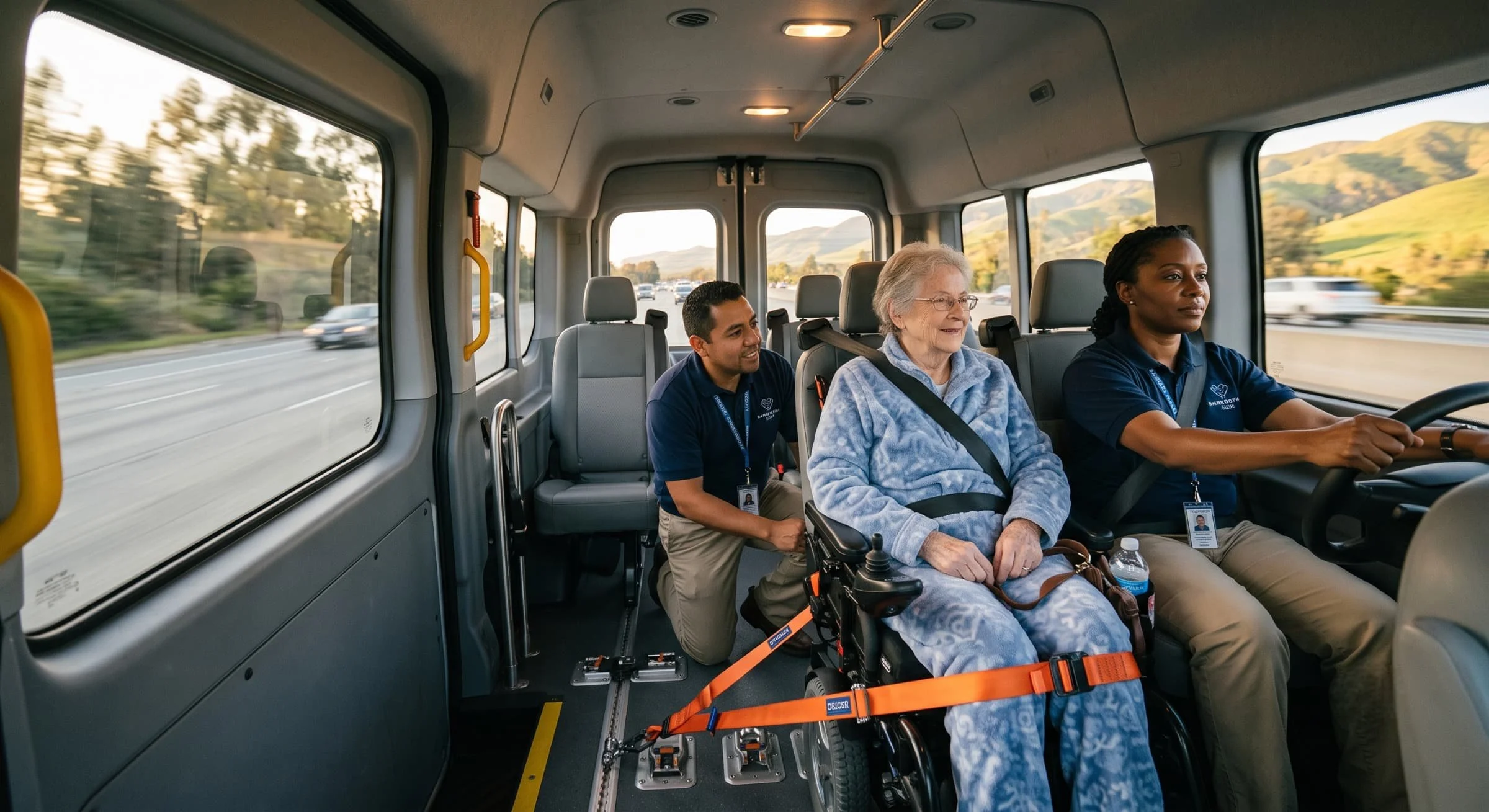
Not every medical appointment is just a few miles from home. Sometimes the best specialist, treatment center, or rehabilitation facility is hours away. For patients facing a long journey, the trip itself can become one of the biggest challenges. Spending several hours—or even an entire day—on the road while recovering from surgery, managing a chronic illness, or traveling with limited mobility requires much more than a reliable vehicle. It requires careful planning, experienced drivers, and a transportation team focused on the patient's comfort and well-being from start to finish.
That's why long-distance medical transportation is different.
At MediZoom Transportation, we are a veteran-owned and operated, non-emergency medical transportation provider serving Ventura County and beyond, helping patients safely travel across county lines and throughout California. For extended trips, we utilize a two-driver team whenever appropriate, ensuring the journey remains safe, efficient, and comfortable without placing unnecessary strain on a single driver. In this guide, you'll learn why long-distance medical transportation requires a different level of planning, how a two-driver team improves both safety and reliability, and what patients and their families can expect every mile of the journey.
Why Long-Distance Trips Are Different
A long-distance medical trip is about far more than covering extra miles. Hours on the road demand constant focus, patience, and attention to the passenger's needs. As travel time increases, so does the importance of keeping both the patient and the driver comfortable, alert, and prepared for the journey ahead.
Many Hours on the Road
Many long-distance transports last several hours and may cross multiple counties before reaching their destination. Some patients remain in a wheelchair for the entire trip, while others require stretcher transportation or additional medical accommodations. Every detail—from planned rest stops and route selection to temperature control, hydration, and smooth driving—is carefully considered before the vehicle ever leaves. When a trip is measured in hours instead of minutes, thoughtful planning becomes just as important as the destination itself.
For these extended journeys, a two-driver team provides an added layer of safety and peace of mind. While one driver focuses on the road, the other can assist with the patient's comfort during scheduled stops, help monitor their well-being, and be ready to take over driving when it's time to rotate. This approach helps reduce driver fatigue, keeps the trip moving efficiently, and allows patients to relax knowing their transportation team is prepared for the road ahead.
The Danger of Driver Fatigue
Tired driving is dangerous. The National Highway Traffic Safety Administration warns that drowsy driving causes hundreds of deaths each year. It advises drivers to take a break every two hours or 100 miles. It also warns that coffee is not a real fix. A sleepy driver can have brief "micro-sleeps" that last a few seconds. At highway speed, that is enough to travel the length of a football field with eyes closed. On a long trip, one driver alone is at real risk of getting tired.
How a Two-Driver Team Works
A two-driver team solves the fatigue problem in a simple way. There are two trained drivers in the vehicle instead of one. They share the work over the whole trip.
Trading Off Behind the Wheel
The drivers take turns. One drives while the other rests. After a set stretch of road, they switch. This way, the person at the wheel is always fresh and alert. The vehicle can keep moving without pushing anyone past safe limits. It is one of the clearest examples of safe medical transportation on a long route.
Someone Always Watching the Passenger
A second driver does more than share the driving. While one drives, the other can keep an eye on the passenger. They can check on comfort, help with water, and watch for any problem. A patient is never left unwatched for hours. This is a big advantage of long-distance patient transport services with two team members.
What to Expect on an Extended Trip
Knowing the plan makes a long trip feel easier. A well-run ride is built around the passenger's comfort and safety. Here is what a rider can usually expect:
Planned rest stops for restroom breaks, stretching, and fresh air
A comfortable setup, whether the rider sits, uses a wheelchair, or lies on a stretcher
Regular check-ins on comfort, water, and any medical needs
Two drivers trading off so the person driving is always rested
Careful handling of medicines, oxygen, or mobility equipment
Good long-distance medical transportation services plan all of this before the wheels start rolling. That planning is what keeps a long trip calm.
When Two Drivers Make Sense
Not every trip needs two drivers. A short local ride does not. But a long haul often does. Two drivers make sense when a trip would take many hours without a break. They also help when a passenger needs close watching the whole way.
Think of these long trips as medical shuttles between distant points. The goal is the same as any medical transport: get the patient there safely and comfortably. On a long route, two drivers are one of the best ways to reach that goal.
Planning a Long-Distance Ride
A long trip works best with good notice. Early booking gives the team time to plan the route, the stops, and the two-driver schedule. It also lets them match the right vehicle to the passenger.
Of course, not every need means a long drive. If you need a doctor, you do not always have to travel at all. Through Doctor2me, you can choose almost any doctor and have them come to you. But when a trip to a distant specialist or a far-off family home is needed, a two-driver team can make it safe.
To plan a long-distance ride, or to find non-emergency medical transportation near me in Ventura County, families can reach MediZoom Transportation, LLC at (844) 952-3371 or through its Doctor2me provider page. A long trip should feel safe from the first mile to the last.
Frequently Asked Questions
What is long-distance medical transportation?
It is a planned, non-emergency ride that carries a patient a more than 50 miles one-way or out of the county, often across counties or states, to reach care or family. The vehicle is matched to the rider, and the trip is built around comfort, safety, and rest stops rather than speed.
How are patients transported long distances by ground?
They travel in a medical transport vehicle set up for their needs, whether that means a seat, a wheelchair, or a stretcher. On very long trips, two drivers may trade off so the vehicle keeps moving safely while the passenger is watched and cared for.
Why do long trips sometimes use two drivers?
Two drivers prevent fatigue. One drives while the other rests, then they switch, so the person at the wheel is always alert. The second driver can also keep an eye on the passenger, which makes a long trip both safer and more comfortable.
How do I arrange a long-distance medical transport?
Contact a non-emergency medical transportation provider and share the pickup, the destination, and the patient's needs. Book early so the team can plan the route, rest stops, and drivers. The more they know, the smoother the trip will be.
How much does long-distance medical transport cost?
Cost depends on the distance, the type of vehicle, and the level of care needed. Because prices vary, the best step is to call a provider for a quote based on your exact trip and any special needs.
How do elderly patients travel long distances safely?
Many older adults use long-distance medical transport instead of driving or flying. A trained team provides a comfortable seat, wheelchair, or stretcher, plans rest stops, and monitors the rider throughout, which makes the journey safer than traveling alone.
